
Yam Berries!
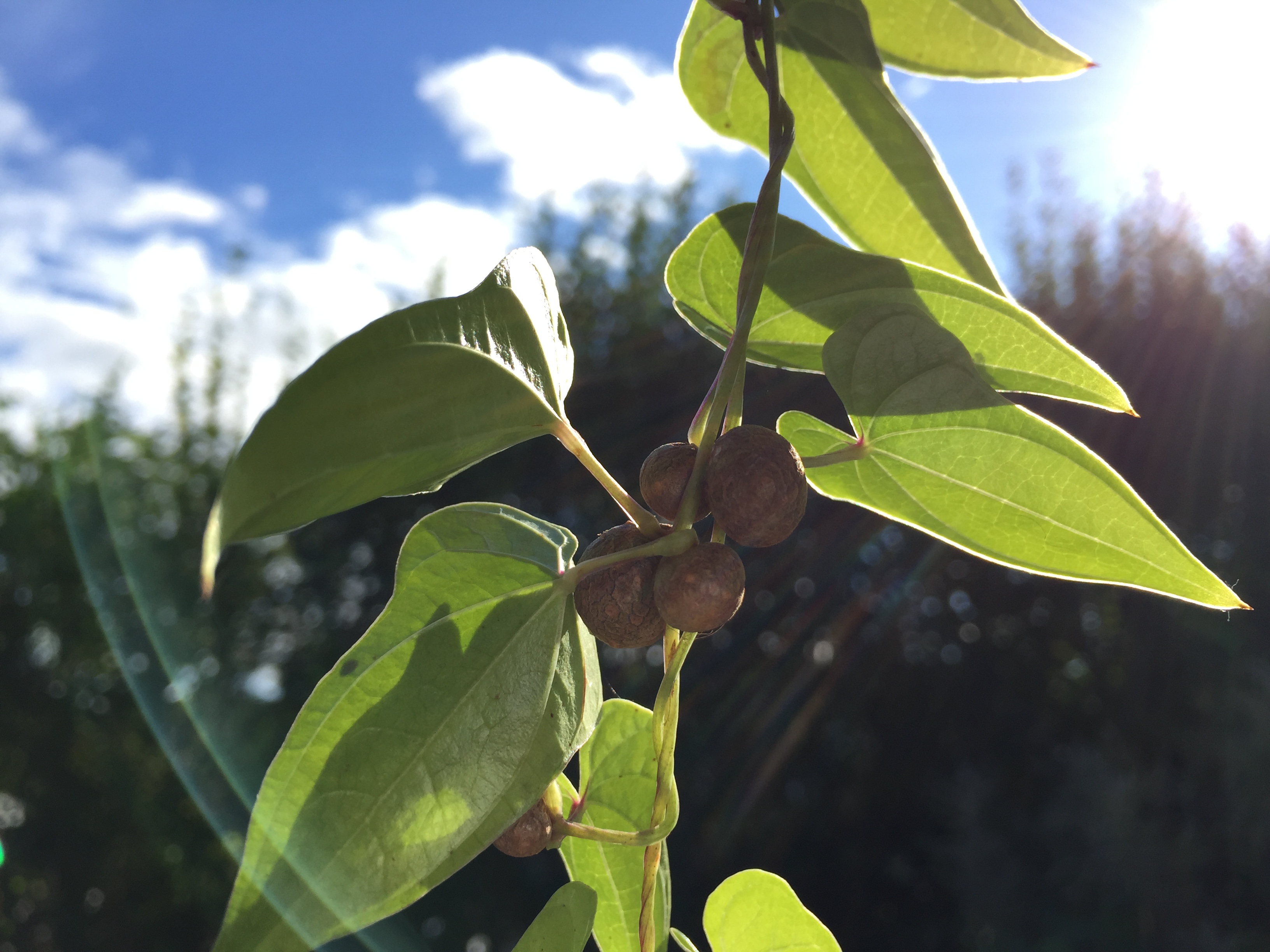 Have you ever heard of Chinese yam? I hadn’t either until I saw it on the Food Forest Farm website.
It’s essentially a perennial potato, but it gives you two kinds of potatoes: one huge potato that grows underground to be harvested every few years, plus an annual crop of "yamberries" that grow on the vines in late summer.
I planted some chinese yam in April this year, and by August I had a few 5-foot vines that were covered in a few hundred yam berries.
These yam berries are tiny (a half-inch or so), but there are tons of them, and they are delicious! Just fry them up in butter and they’re basically like crunchy little french fries or homefries.
They are also very easy: no cleaning required since they grow above ground, no peeling, and they fall right off the vine.
Did I mention that chinese yam is perennial? And from what I’ve read, it also grows and spreads like a weed. So it’s super easy to grow: plant it once, and you get free potatoes forever.
Win-win! Go get some!
3 Easy Ways to Drastically Boost Your Health Today
 Stop me if you’ve heard this one before: there’s an obesity epidemic in America. Fully two-thirds of us are overweight or obese.
But did you know that most of those people are actually malnourished? In fact, you are probably malnourished.
And ironically, malnourishment contributes to obesity. The standard American diet contains plenty of calories, but not enough nutrients. So your body thinks it’s starving (because nutritionally it is), and it ramps up your hunger hormones, to make you eat more.
To fix this, you need to eat more nutrients, without increasing your caloric intake. How is that possible? By eating foods that are more nutrient-dense.
The hard way is to eat liver once a week. It’s hard because liver is not delicious, to put it mildly. But liver is the most nutritious food on the planet by far. It’s not even close. So if you’re serious about nutrition, eat it.
But there’s an easy way too, because there are three super-nutritious foods that are also super-tasty:
1. Mixed nuts. That’s right, plain old nuts have more nutrients in greater quantities than most foods. A few handfuls of almonds, pistachios, pecans, and sunflower seeds per day is a no-brainer. Do it!
2. Oysters. Now, if raw oysters gross you out, try these amazing smoked oysters in olive oil. The taste and texture is totally different, and much better, than raw oysters. Nutritionally, oysters are a close #2 or #3 after liver. And they’re one of the very few sources of the omega-3 fats EPA and DHA, which are essential for health. Twice a week would do you wonders.
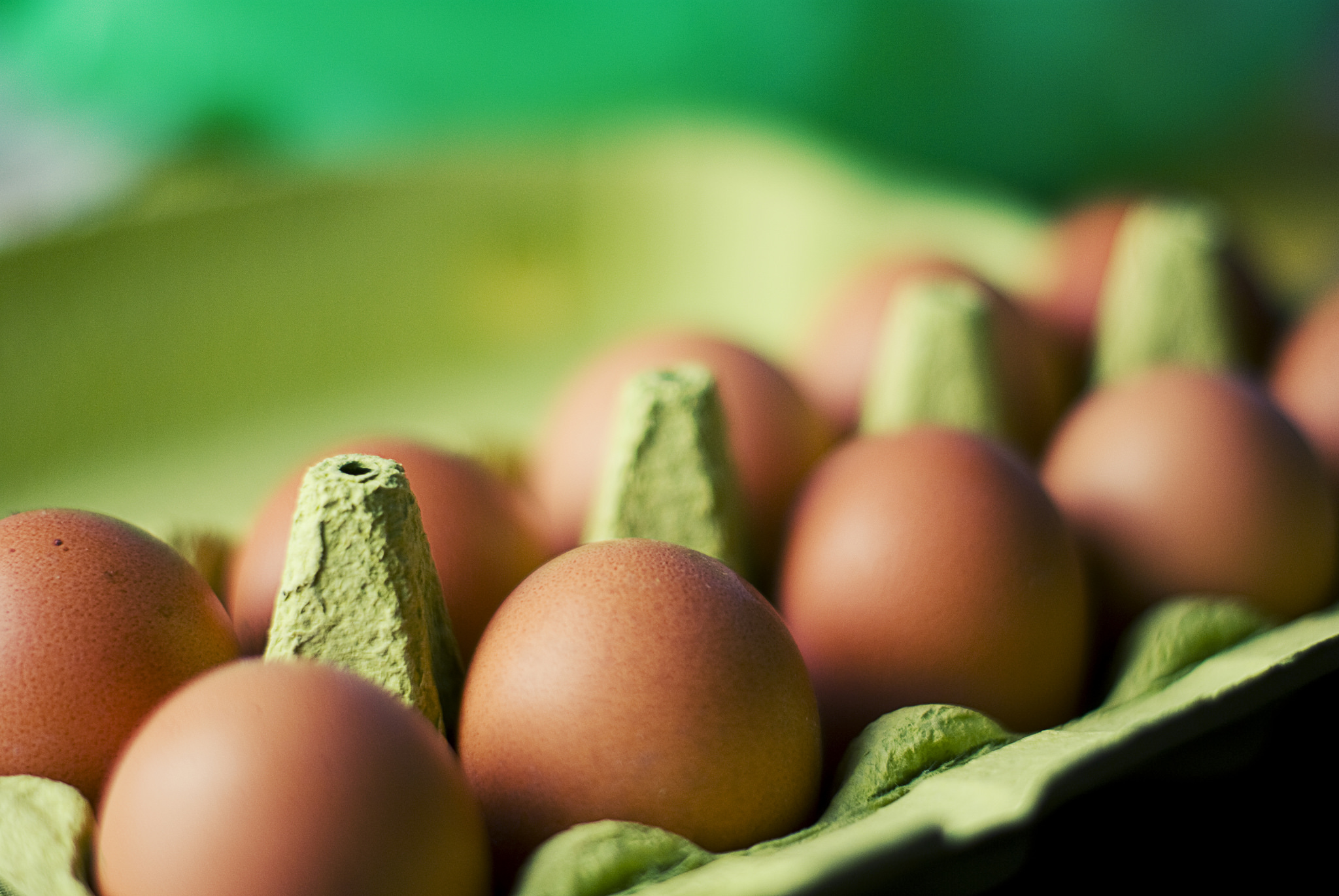
3. Whole eggs. Egg white is a good source of protein, and egg yolk is packed with vitamins and minerals, including some that are crucial for health that aren’t found in many other foods: choline, biotin, and vitamin K2. Two to four eggs per day is a good goal. And no, the cholesterol in egg yolks is not a problem, because in most people, dietary cholesterol has little effect on blood cholesterol levels.
The best method for incorporating these foods into your diet is to replace less-nutritious foods with them -- you want to replace calories, not add more. A good place to start would be to remove any processed or packaged foods. Or if you’ve already done that, then remove bread, pasta, and cereal. Replace those calories with nuts, oysters, and eggs, and you’ll be significantly improving your nutrient intake, and your health too.
Delicious, Kid-Friendly, Super-Easy Salmon Recipe
 When Gavin first started eating solid foods, he would eat salmon, but a few months ago he lost all interest in it. He still loves oysters and mackerel, but not salmon.
That’s a bummer, because salmon is one of the most nutritious foods available; there are only a few things more nutrient-dense, including oysters, sardines, liver, and a few types of nuts and seeds.
Well I just found a way to make him love salmon again: add a little maple syrup. It’s not enough to make it taste sweet, but it somehow cancels out much of the fishy flavor. In any case, the result is delicious, for both kid and adult.
Ingredients:
20g real maple syrup (no HFCS-based garbage)
30g butter (~2 Tbsp)
100g wild salmon
Directions:
In a small stainless-steel pan, simmer the butter on medium-low heat, then add the salmon, and cook for about 5 minutes until it starts to simmer. Then add the maple syrup and cook another 5 minutes.
That’s it. Super quick and easy, and tastes great. The truth is, the salmon that I use (SeaBear Ready-To-Eat Smoked Sockeye Salmon) is already so good that I often eat it right from the pouch at room temperature. But since Gavin isn’t into that anymore, I’m glad to have an alternative recipe.
How to Be Prepared Without Being a Crazy Prepper
I recently watched the show American Blackout, and I thought it did a decent job of showing how people in different situations might survive -- or not survive -- a short-term disaster in America. (Ebola outbreak, perhaps?) But while it’s currently profitable for the media to showcase the craziest people in the prepper movement, what’s lost in the hype is the fact that it is, in fact, smart to be prepared for disaster, at least to some extent. Some people go overboard with it, but it’s equally foolish to be so reliant on the supermarket and the grid and the government that you couldn’t survive a few weeks cut off from those kinds of external systems.
Fortunately, such short-term survival is pretty easy to prepare for. In fact the best way to prepare is to make it part of your regular routine, so that it takes no extra effort when disaster strikes.
Consider water. Bottled water is the best bet, since in a power outage, your tap water might not be clean or might not run at all. The easiest approach is to buy cases of half-liter bottles, and always keep a months’ worth on hand. So if you typically consume 3 cases per month, then buy 6 cases to start, and never let your stock get below 3 cases. You can even have cases delivered to your house monthly to make it super easy. Or if you prefer tap water, then just use gallon-sized plastic jugs instead, and refill them. Either way, the key is to use and rotate the water supply as part of your normal routine, so it’s always stocked and always fresh. Keep some in your fridge for normal use, so you’re not losing any convenience (i.e. cold drinks) during normal times, yet you’re still prepared for an emergency.
Water is also necessary for flushing the toilet, so keep a few extra gallons -- or a few tens of gallons -- on hand for that.
Next up is food. For short-term emergencies lasting a week or less, which is the vast majority of them, food is actually not that important. The average non-overweight person has enough body fat to survive a couple weeks without food, as long as water is available. And the average American actually is overweight, so has even more body fat and could survive even longer. A week or two without food wouldn’t be enjoyable, but it wouldn’t kill you either. That said, the average American house contains at least several days’ worth of non-refrigerated packaged food anyway, so again, for short-term survival this is a non-issue.
To do survival food right, though, especially for longer-term survival, it does take a small amount of planning, namely: finding high-quality food with a long shelf life that you enjoy eating. There’s plenty of processed junk food that lasts forever, but there’s actually a lot of good stuff, too: oysters, beef jerky, nut mixes, herring, sardines, fruit and seed mixes, salmon... It’s important to get high-quality food because, as with the water, you’ll be eating these things regularly -- say once or twice a week -- during non-emergencies, in order to move through your stock and keep it all fresh. That’s less important for the meats, because all those items I just linked to will last a year or more, but the fruit and nuts are typically good for a couple months.
There are many other aspects to disaster prep: protection/self-defense; knowing your neighbors, since you’ll rely on each other more when cut off from the nanny state; growing your own food as much as possible, or at least, knowing your local farmer; having an off-grid and renewable way to heat your house, such as a wood stove. Always keep a little cash in your wallet, even though you may not use cash very often in normal circumstances. Keep your car’s gas tank at least half full. Keep a bug-out bag ready, which is easy if you go for hikes regularly: just make it your hiking bag, which already has a flashlight, multitool, and first-aid kit, so just add a couple bottles of water and a few food items.
Most of these recommendations are simple and cheap; it’s more Boy Scouts ("Be Prepared") than "Doomsday Preppers". The extreme conveniences of modern life have lulled us into a state of complacency, where we rarely need to plan or prepare at all, since anything we might need is always just a short drive to the nearest Wal-Mart, at any time of day or night. Smart emergency preparedness is about working towards regaining some of the self-sufficiency that used to be commonplace and a point of pride in America. You don’t need a bunker stocked with k-rations; but when you stop taking for granted all those modern conveniences, you realize that a bit of planning and preparing just makes sense.
So, how many days could you survive cut off from the outside world?
The Perfect Egg Flipper: Lodge 8-Inch Cast-Iron Pan
I’ve been trying to switch from Teflon pans to cast-iron pans, partly due to the questionable health and safety status of Teflon, but also because I’m sick of having to buy new Teflon pans every 6-12 months when their non-stick coating starts to fail.
This transition has been pretty easy, and cast-iron pans are dirt cheap. But the one thing I worried about was eggs: would I be able to fry two eggs in a cast-iron pan and flip them properly? Of course properly means flipping them in the air, without a spatula. That’s how I’ve cooked eggs my entire life, and having to use a spatula instead would be a sad combination of absurd and depressing.
Flipping eggs in the air is trivial in a (new) Teflon pan, but what about cast-iron? I did a web search and found plenty of people saying that cast-iron is every bit as non-stick -- if not moreso -- as Teflon, once it’s properly seasoned. I was encouraged, but skeptical.
I bought the 8-Inch Lodge L5SK3 Pre-Seasoned Cast-Iron Skillet. The Lodge logo is a pan with an egg in it, so it must work, right? But the instructions clearly state that the pan’s pre-seasoned coating is not perfectly non-stick, but will get better with time. I was anxious to try it anyway, so I fried up some eggs, and they stuck. Severely.
I then spent three months using the pan for things other than eggs: mainly fried vegetables and ham. The key is to just rinse the pan with hot water to clean it; never use soap, and if it needs scrubbing, just use a stiff-bristled brush. Then, don’t towel-dry it; just put it on the stove briefly until all the water evaporates. At that point, if the cooking surface looks shiny, you’re done: just put the pan away. But if it looks dull and dry, which it did the first few times, then put in a tiny bit of coconut oil and spread it around, coating the entire cooking surface. Turn it over to drip out any excess, then put the pan away until next time.
Using that cleaning method, and cooking with the pan only about 4 times per week, it gained a really nice non-stick surface in about three months. And that included a couple of rookie mistakes where I used the cast-iron pan to cook acidic sauces (marinara once, and BBQ another time) -- those eat away the non-stick surface pretty badly, and your food tastes like iron. But fortunately, it only takes one or two proper uses to fix the surface after that.
Last week I decided to give eggs another try, and lo! They cooked beautifully. They did stick just a little bit at first, but I was able to break them free just by shaking the pan. Then with a flick of the wrist, they flipped over easily.
So here’s my perfect fried eggs recipe in a non-stick cast-iron pan:
1. Set stove to medium and pre-heat pan for 7 minutes. (That’s an electric stove; I’d guess gas needs less time and/or lower heat.)
2. Add 1 tablespoon of butter and let it cook for 1 minute.
3. Add two eggs. They should sizzle pretty good immediately. Salt and pepper.
4. Don’t touch the pan for 2 minutes. At 2 minutes, gently shake the pan until the eggs slide around freely, then flip them (in the air, not with a spatula, you sissy!).
5. Turn off the heat and let the eggs cook for 1 more minute (3 minutes total). Add more salt and pepper to this side, plus some shredded cheddar cheese.
6. Slide the perfect eggs right onto your plate. The whites should be slightly browned and the yolks warm but runny.
Nuts of Deception: Planters Mixed Nuts
I love Planters. From Honey Roasted Peanuts to Dry Roasted Sunflower Kernels to Mixed Nuts, they make some tasty snacks.
But a man can only turn a blind eye to injustice for so long. Shown below are the entire contents of a 248g pack of Planters Deluxe Mixed Nuts: Cashews, Almonds, Brazil Nuts, Pecans, and Pistachios:
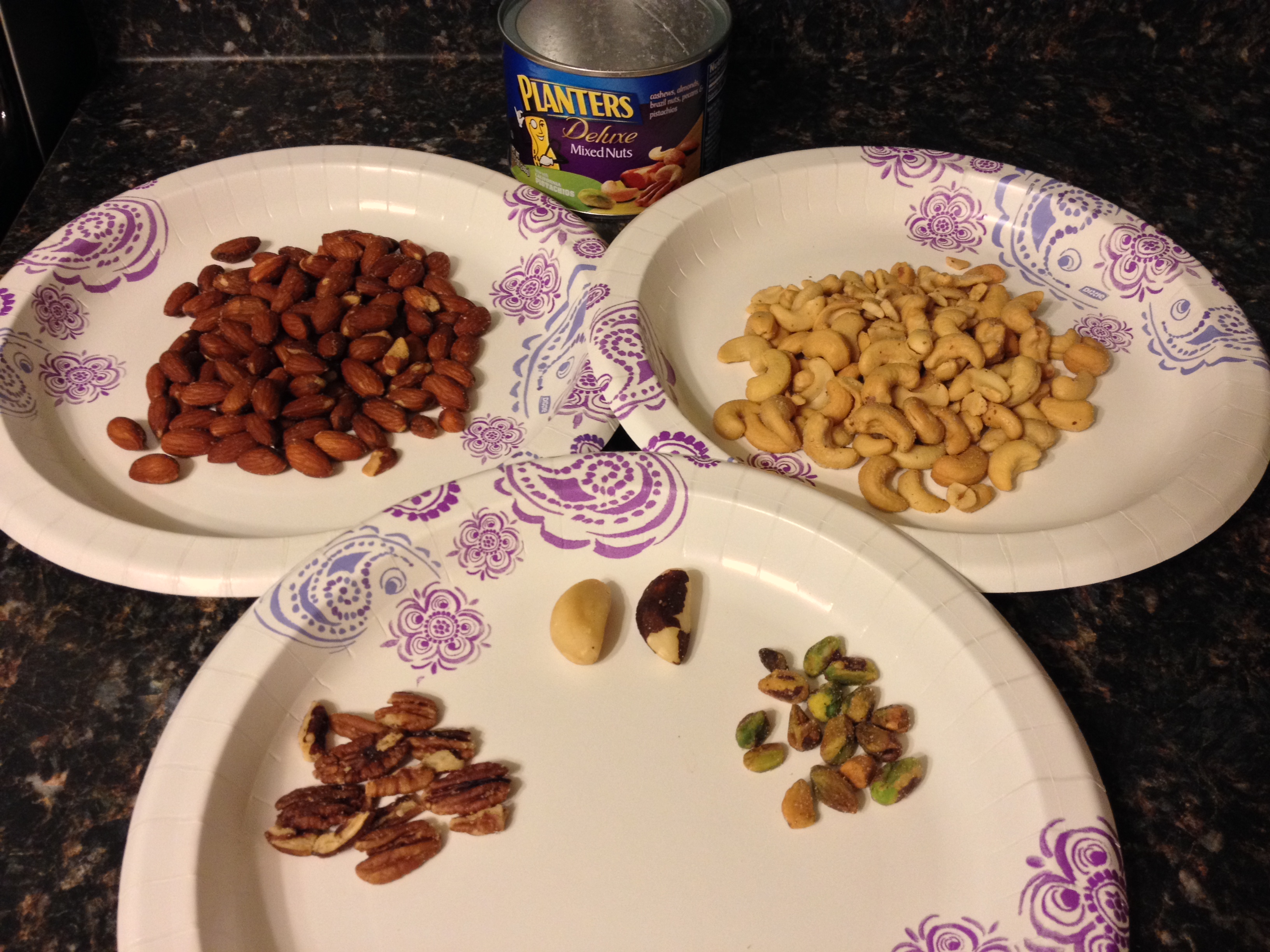
What’s wrong with this picture?
This is not an anomaly. I eat these regularly and it’s always the same. This time I decided to separate the nuts to see if the disparity was really as bad as it seemed to be. The results:
Cashews: 113g
Almonds: 113g
Brazil nuts: 8g (2 nuts)
Pecans: 8g (~6 nuts)
Pistachios: 8g (~16 nuts)
I know some nuts are more expensive than others so I don’t expect the ratios to be exactly one to one... but TEN to one? That’s just pathetic. Planters, you oughta be ashamed of yourselves.
Restaurant Review: Na'Brasa Brazilian Steakhouse
At $43 per person (excluding drinks and desserts), Na’Brasa Brazilian Steakhouse is not the kind of restaurant we can afford to go to very often. But after going there for the first time this weekend for a special occasion, I can say it’s easily one of my all-time favorite restaurants. If you like meat, then you need to get yourself to Na’Brasa as soon as possible. If you don’t like meat, what’s wrong with you?
There are two courses in a Na’Brasa meal. The first course is the salad bar, which has a huge variety of foods, which are mostly not meat, at least not primarily. But the real action is in the second course. At your table, you have a small laminated card with a brown side and a yellow side. When you’re ready for meat, you flip it over so the yellow side is facing up, which signals the waiters to come to your table.
But these aren’t just any waiters. It’s a team of about 10 waiters, each carrying a giant skewer and a carving knife. On each skewer is one particular kind of meat: filet mignon, picanha, pork ribs, beef short ribs, sausage, bacon-wrapped chicken, lamb chops, and many other varieties. The waiters are constantly swarming the room, going from the kitchen past each table, looking for yellow cards. When a waiter sees your yellow card, he stops and asks if you want the particular kind of meat that he’s carrying. If so, he carves off a slice for you on the spot. And each skewer typically has three or four different pieces of the same cut, so you can choose the level of doneness for your slice.
As long as you’ve got your yellow card showing, waiters will continually come by and give you more meat. When you need a break, you flip your card over to the brown side. Then flip back to yellow when you’re ready to feast again.
This is pretty much the greatest idea in the history of restaurants.The meat was delicious. The picanha, sausage, and beef short ribs in particular were simply amazing. The picanha had a nice fat cap that was perfectly crisped. The sausage and short ribs were ridiculously tender and richly flavored. There was also salmon (technically part of the salad course, but it’s carried around the room and brought to your table like the rodízio meats) that was quite good.
And then there’s the desserts: you’re so stuffed that you can barely even think about them, but you made the mistake of checking them out online beforehand, so you have to get one. I got the Peanut Butter Bomb and loved it. I also had a bit of Travis’ Cheesecake Xango which was wonderful.
In addition to the food being excellent, these were some of the best waiters I’ve ever seen. This guy was especially good:

He’s picanha guy, and he spent a lot of time at our table. I wish I would have taken some photos of the meat slices before devouring them, but in that photo, you can at least see the picanha on the skewer.
Na’Brasa also helpfully labels everything on their salad bar to indicate which items are gluten-free, and 14 of the 17 meats are also gluten-free. It’s nice to see a restaurant catering to this common food sensitivity, rather than worrying about silly fads like the low-fat diet.
Why Your Doctor Is Clueless About Diet
Because, despite decades of government recommendations telling us what kind of diet we should eat (a low-fat, high-carb, grain-heavy one), there is actually very little science to support such claims:
Quoting The New York Times:
“We don’t know what the best diet is,” said Dr. Michael Lauer... When it comes to diet and heart disease, doctors -- and patients -- have been going on hunches. [...]
“Diets are an extreme case of accepting evidence we want to believe,” said Dr. J. Sanford Schwartz, a professor of medicine at the University of Pennsylvania.
That includes doctors, he added, who overlook that the evidence for the low-fat diets they often recommend is the sort “we would never accept in the practice of medicine.”
Those low-fat diets sound sensible -- eat fruits and vegetables, fish and lean meats. Cut back on salt- and sugar-laden sodas and potato chips. Cut or sharply limit most fats, including olive oil and nuts. But such diets have not been tested in the way the Mediterranean diet was tested.
Doctors are in a bind, said Dr. Daniel J. Rader, a heart disease specialist at the University of Pennsylvania. When patients ask what to eat, he said, “you have to give them something.”
“Given the importance of diets and given the decades of dietary recommendations we have given to people, you would think we would have had more dietary studies with hard endpoints to get at these questions,” Dr. Rader said. But the best they have are studies that look at intermediate markers of risk, like cholesterol levels. In the end, he said, “most doctors just give dietary platitudes.”
Actually, it’s worse than that: because the government decided to start giving out dietary advice before there was solid scientific evidence to support that advice, they now have a vested interest in keeping that narrative going even in the face of evidence against it, since the government can’t admit when it has made a mistake.
Restaurant Review: A Ca Mia Italian Restaurant in Walnutport, PA
A new restaurant called A Ca Mia just opened in Walnutport, owned by a well-regarded chef with decades of experience. Between that and the fact that the only other restaurants in the area are fast food, we were anxious to check it out.
The Food
I was very happy with my meal. There was the traditional bread with dipping oil, then a salad with vidalia onion dressing, and Meat Sauce Bolognese for my entree: "Our traditional combination of veal, beef and pork meat slowly braised and cooked in a red wine tomato sauce." For dessert I had the cannoli, which used puff pastry instead of the usual thin shell, and it was delicious.
You choose whichever kind of pasta you’d like in the Bolognese, and I chose penne. The portion size was gigantic: I ate about a third of it, and took the rest home, where I weighed it to find it was nearly two pounds left over.
My only complaints are minor: the salad was served in a bowl that was just barely big enough to hold it, which means that it’s virtually impossible to mix after pouring on the dressing (which they serve on the side); the "dipping oil" for the bread was actually a mountain of minced garlic covered in a small amount of oil, which was so spicy from all the garlic that it was slightly painful to eat; and they don’t offer sweet iced tea, nor raspberry iced tea, to drink -- just soda and unsweetened tea (and of course water, milk, and hot drinks).
Kim’s meal, however, was disappointing. She called ahead to ask whether they have any gluten-free meals, and they said yes. But when we got there, our waitress told us that they could make pretty much any regular meal gluten-free upon request. That might sound good at first, but in reality what it means is they haven’t actually put any time or effort into making good gluten-free meals. Technically it’s true that they can make most of their meals gluten-free by serving them without the pasta, but that doesn’t mean the resulting meals are going to be any good (e.g. lasagna without noodles would be pretty pathetic, and not at all the same as lasagna with gluten-free noodles).
The chicken and broccoli that Kim got is a prime example of this. I’m not sure exactly what it would have looked like in the regular version, but the gluten-free version was 3 large chicken breasts surrounded by some broccoli on a plate with a very watery white sauce. The chicken did not seem to be seasoned nor seared at all, and the sauce was not creamy, not cheesy, just watery.
The Atmosphere
A Ca Mia probably didn’t have many good options for where to site the restaurant in the Walnutport area, through no fault of its own, of course. But the location is quite small, and the tables are packed into it pretty tightly. It’s a single room, and I believe it’s all tables, with no booths. It feels crowded. There was a waitress or busboy hustling past us pretty much the whole time.
The restaurant is also noisy. Partly this was because of a large, rowdy group seated near our table, and partly it’s because it was a Saturday night (though it was 9:30 PM, nearly closing time) -- but it’s also partly because of the single-room layout and the lack of sound-dampening design features (particularly carpet) in the space. It feels more like a cafeteria than a restaurant.
The Verdict
I would gladly eat at A Ca Mia again, despite its flaws. The menu is expansive, with about 60 entrees (including a large seafood section) and over a dozen appetizers. And as I mentioned, there are few if any other decent restaurants in the area, so it’s almost the only game in town. They had a 45-60 minute wait around 6:30 PM so they seem to be doing well.
On the other hand, Bravo is only 20 minutes down the road. And as much as I did like the food at A Ca Mia, it is just not in the same league as Bravo. If it were considerably cheaper, that’d be one thing, but our meal (two entrees, two sodas, and two desserts -- no appetizers and no alcohol) was $50 before tip, which is the same price or more expensive than a meal at Bravo, or Outback Steakhouse, or P.F. Chang’s, etc.
And A Ca Mia just doesn’t have much to offer people with a gluten intolerance, which is a significant portion of the population, even if many of them haven’t discovered it yet. The restaurant could certainly stand to take 5 of those 60 entrees and replace them with a few well-designed dishes that are truly gluten-free.
Delicious and Simple Home-Made Pizza Recipe (and It's Gluten-Free To Boot)
I am apparently a pizza snob. I’d say at least 75% of the pizza I’ve had in my life has been utter crap. So I’m really glad to have pizza that I can make at home, that’s not only delicious, but super easy, and gluten-free too. There are only five ingredients:
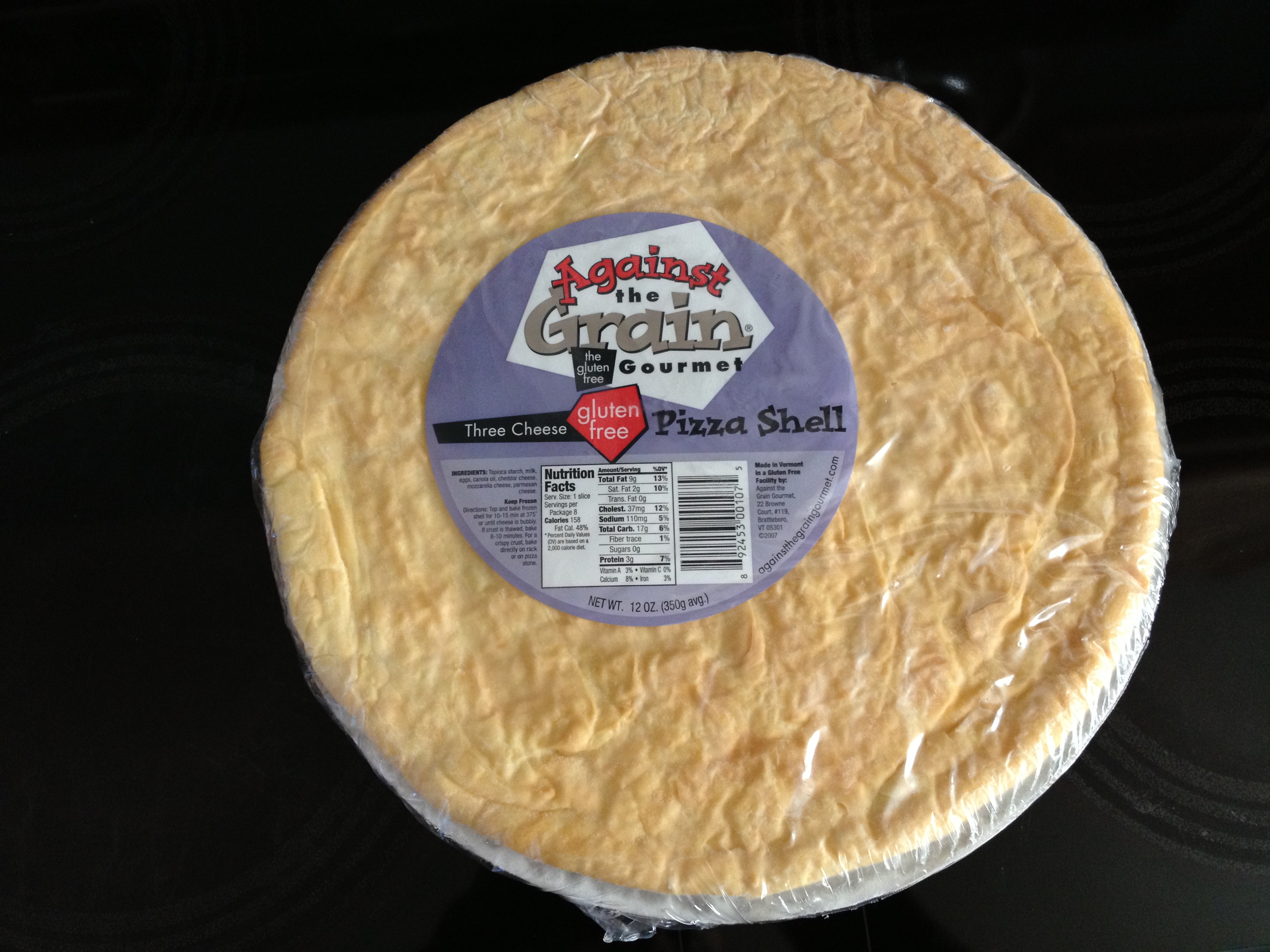
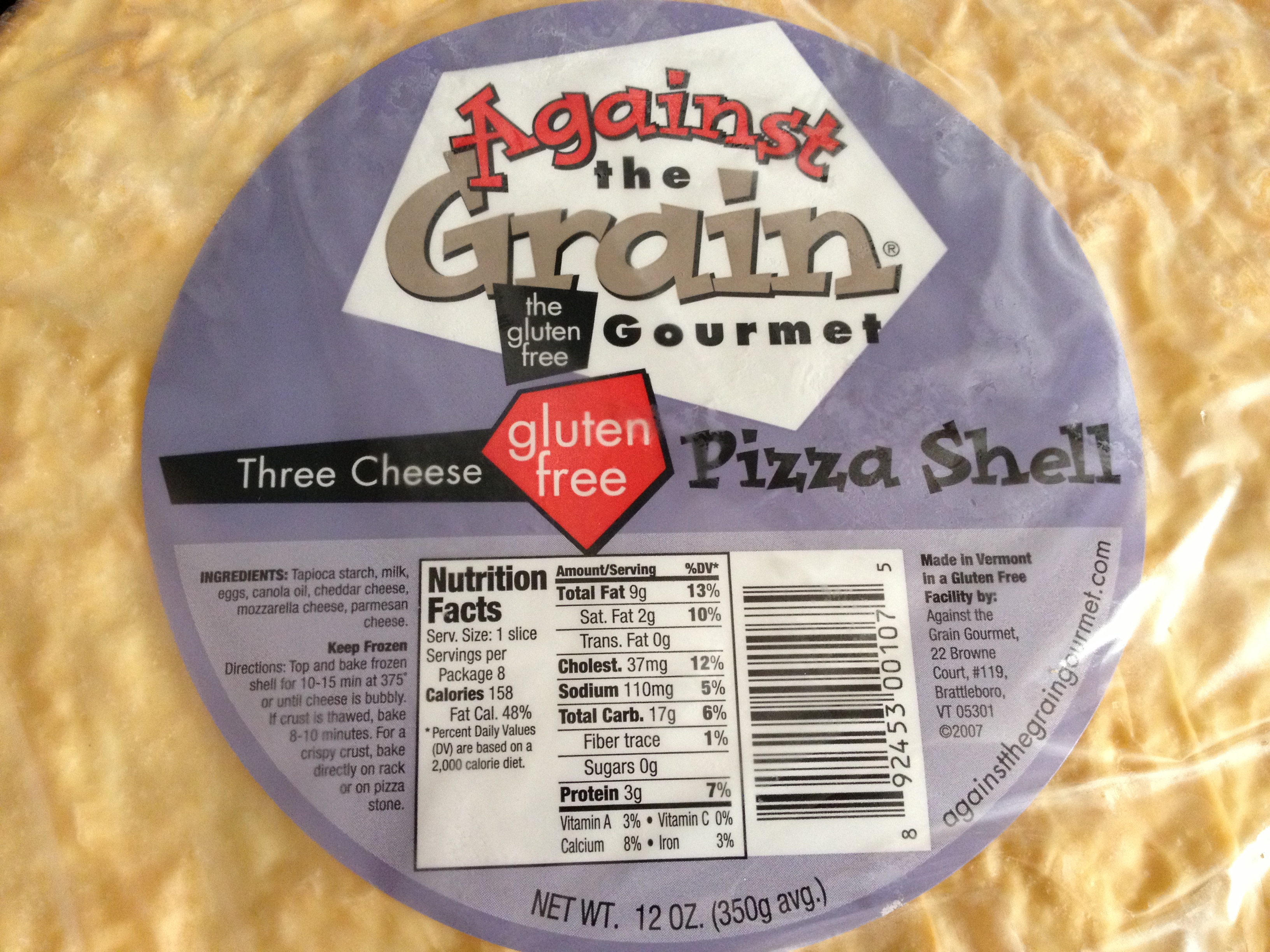
Crust: "Three Cheese Pizza Shell" from Against The Grain Gourmet, in the freezer section at the grocery store; Wegmans has it.
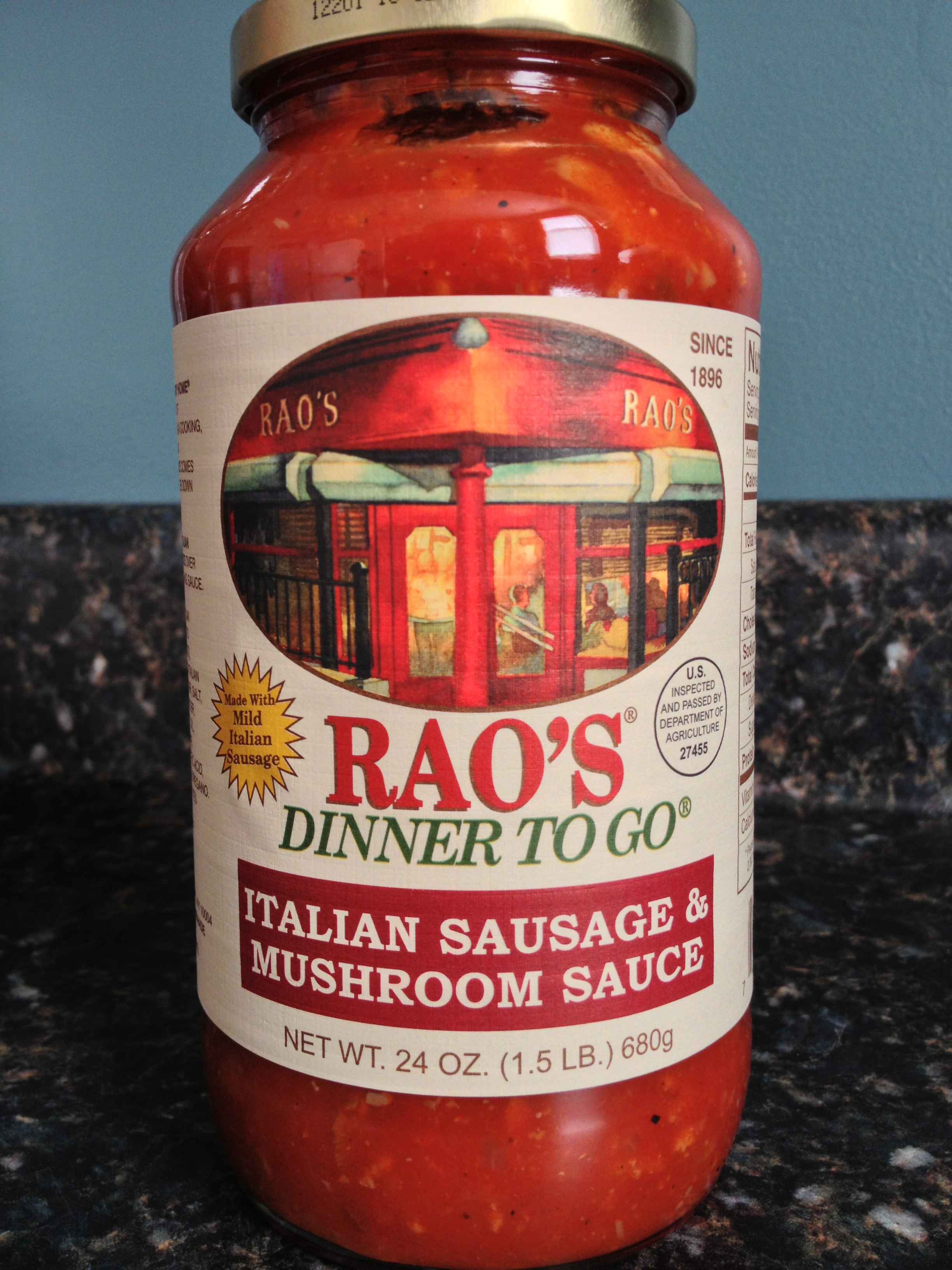
Sauce: Rao’s "Dinner To Go" Italian Sausage & Mushroom Sauce. Of course you can use pretty much any sauce you want, but this Rao’s sauce is amazing, it’s not all loaded up with sugar like so many sauces, and it’s got big chunks of sausage and mushroom, so if you like those, it’s a bonus three ingredients in one.
Cheese: Sargento Artisan Blends Whole Milk Mozzarella, pre-shredded in an 8oz bag, which is just the right size. Probably any shredded mozzarella would do, just don’t get any low-fat garbage.
Spices: just garlic salt and oregano.
The recipe:
1. Pre-heat the oven to 400F.
2. Put the frozen crust directly on the oven rack and cook for ~10 minutes.
3. Take out the crust, top it with ~340g of sauce (which is half the bottle).
4. Sprinkle with garlic salt and oregano.
5. Cover with 8oz of shredded mozzarella.
6. Sprinkle with even more garlic salt and oregano.
7. Cook at 400F for ~13 minutes.
The crust will be crispy/crunchy and amazing, but if you prefer your crust soft, then a) what’s wrong with you, and b) just skip the step where you cook the crust by itself first, or shorten it to just a couple of minutes.
The Against The Grain crust (or "shell") is the key here. Mozzarella is pretty much always amazing, and the sauce can be whatever kind of sauce you love, so you just need a good crust, and these guys have nailed it.
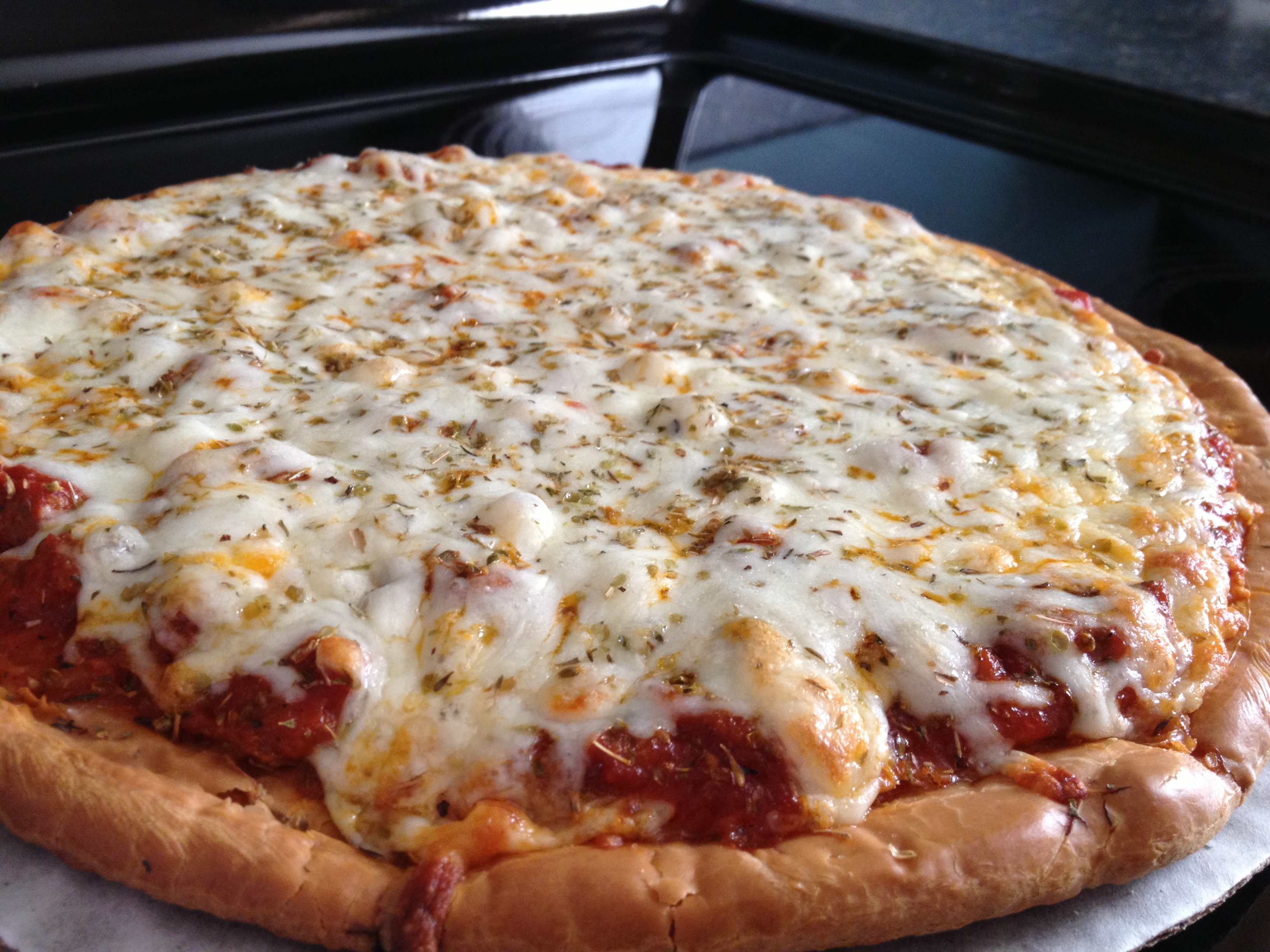
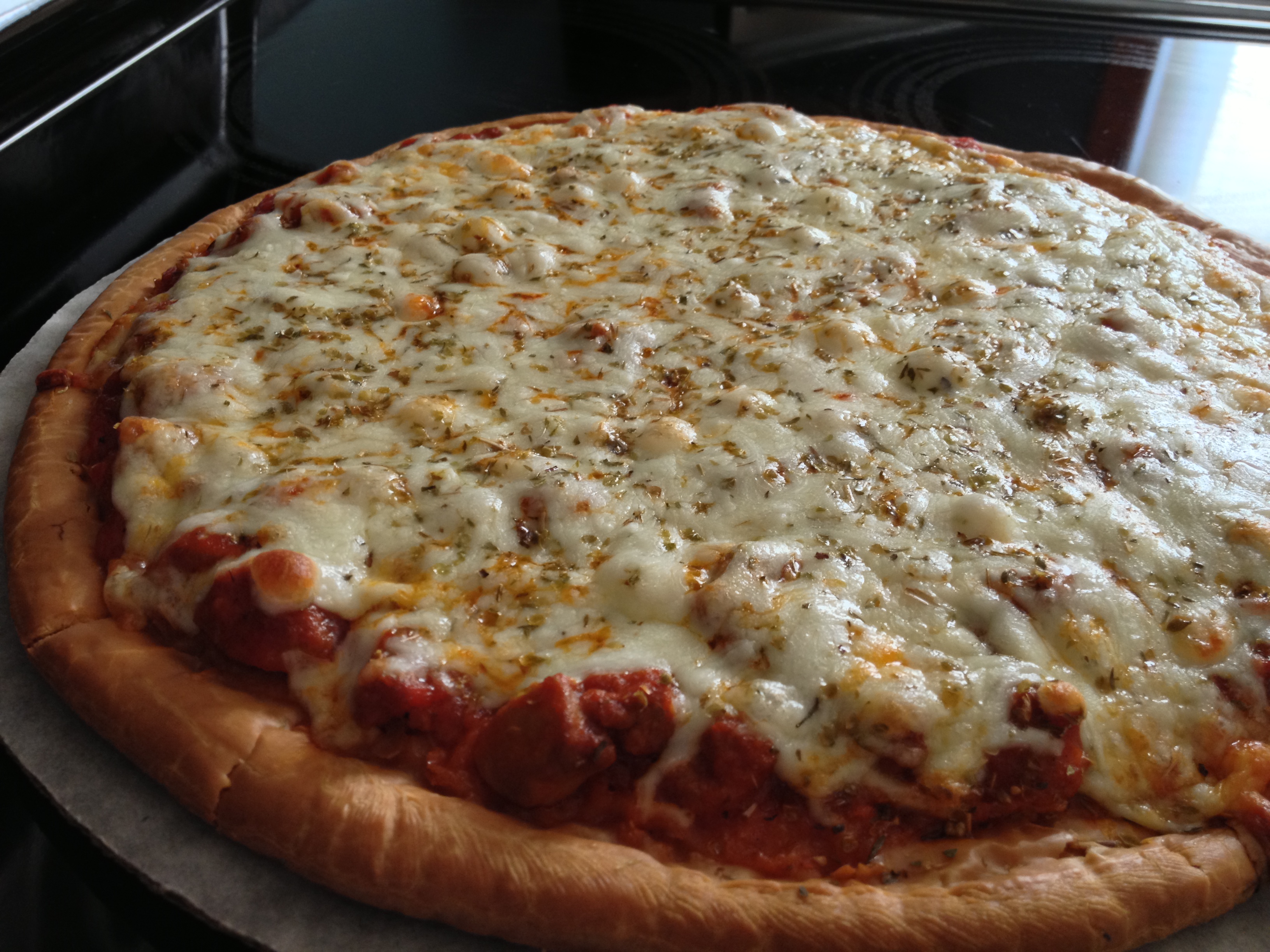
Some photos of the ingredients and the finished product:
My Cure for Headaches
For most of my adult life I’ve gotten headaches regularly, about once or twice per week. Typically these are not severe -- and I don’t think I’ve ever had a migraine -- but they’re bad enough to make me want a couple of ibuprofen pills, which virtually always cure the problem within a half hour or so.
When I discovered Fat Head and Paleo and started cleaning up my diet (mainly eating more natural fats and protein, and cutting back on grains, refined sugar, and vegetable oil), the frequency of my headaches decreased a bit, to maybe one per week, and sometimes making it through a whole week without a single headache.
More recently it occurred to me that a headache seems like a kind of inflammation, and should therefore respond favorably to an improved omega-3 to omega-6 ratio. I had already made progress on that by cutting back the vegetable oils and trying to eat more omega-3-rich seafood like salmon, but even when I ate salmon every single week (which was rare) that was still essentially the only source of the anti-inflammatory omega-3 fats in my diet, whereas the pro-inflammatory omega-6 fats are in virtually everything.
Around the end of September I decided to make a more concerted effort to eat more omega-3. I don’t like cooking, so it’s fortunate that there are a couple of delicious ready-to-eat sources of omega-3: sardines and salmon. I especially like SeaBear Ready-To-Eat Smoked Sockeye Salmon, and Season Skinless and Boneless Sardines in Olive Oil; more recently I’ve found Crown Prince Natural Skinless & Boneless Sardines in Pure Olive Oil which are even better. I stocked up and started eating one ~4-oz can or pack of those about 2-3 times per week, e.g. salmon on Monday, then sardines on Wednesday, and salmon on Saturday, etc. (Update: two more delicious favorite omega-3 sources that I’ve found: Crown Prince Smoked Oysters, and several of the Bar Harbor brand varieties, especially Wild Herring with Cracked Pepper and Sardine Fillets In Maple Syrup.)
Amazingly, after having gotten a headache (and taking ibuprofen) about once a week for ~15 years, I went six weeks without a single headache after making this small, simple change to my diet. After that, I was busy or distracted or something, and went 6 days with no salmon or sardines, and got a headache on about the 7th day. I got back on the program and it’s now been about 2 more weeks headache-free.
Give it a try and see if it works for you. It should also help with many other health issues, since most diseases are at least partially driven by inflammation. A couple things to note: technically you can get omega-3 from plant sources such as flaxseed oil, but those are short-chain omega-3 fats, which your body can’t use without putting them through a very inefficient conversion process to turn them into the long-chain forms (EPA and DHA). Only about 5% of those short-chain fats get converted to the long-chain forms, so it’s virtually impossible to eat enough of it to get any benefit, whereas omega-3-rich seafood already contains the long-chain forms. Second, a lot of canned seafood is packed in nasty industrial seed oil -- aka vegetable oil -- like cottonseed oil, soybean oil, canola oil, etc. Those are exactly the pro-inflammatory omega-6 fats we’re trying to avoid! So watch out for that when buying seafood; it should be packed in olive oil, or something other than oil.
The Best Gluten-Free Croutons
Actually, these are the World’s Best Croutons, gluten-free or otherwise. They’re even better than the amazing Texas Toast croutons, which I love. Unfortunately, Against The Grain Gourmet doesn’t currently sell croutons, so you need to buy their rolls or baguettes and make them yourself, but it’s an easy recipe:

Start with a thawed ~15-inch/~215g Against The Grain gluten-free baguette (or a similar weight of their rolls) and cut it into crouton-sized pieces.
Melt one stick of salted butter (~115g) in a pot on the stovetop, then put the bread pieces into it and stir them around so they soak up all the butter.
Pour the pieces onto a nonstick baking pan (without tin foil), spread them out into a single layer so there is minimal touching between the pieces, and sprinkle liberally with garlic powder.
Bake at 350F for 30 minutes, or a little less if you like them less dark/crispy; but not too much less, otherwise the insides of the larger pieces might still be soft when they’re done.
After cooking, let them cool a bit, then put them into a zip-lock. They keep in the cabinet for a couple of weeks at least.
These croutons are seriously amazing. Going gluten-free almost required me to give up one of my favorite meals, because to me, a salad without croutons is barely worth having -- but this Against The Grain bread saved the day.
How the Standard American Diet Promotes Depression and Deadly Disease
I recently heard a fascinating Science Friday segment with Dr. Andrew Weil, dealing primarily with depression and its causes, and how to fix it. But interestingly, two of the most common causes -- vitamin D deficiency and omega-3 deficiency -- are also at the root of the big three deadly diseases: cardiovascular disease, cancer, and neurodegenerative disease. That’s because those diseases, like depression and in fact like most diseases, are caused or exacerbated by inflammation.
Take 25 minutes and listen to the whole episode. Here are a few quotes from it:
Quoting Dr. Andrew Weil:
Most people in my experience seem to think that they’ll be happy if they get something they now don’t have... Many people imagine that positive moods depend on external circumstances, and that’s not a good place to have it linked to.
The notion that a human being should be constantly happy is a uniquely modern, uniquely American, uniquely destructive idea... Many parents think that it’s their job to make kids happy all the time. We’re not supposed to be happy all the time. Our moods are supposed to vary. They’re not supposed to vary so extremely that they disable us, but I think it is perfectly normal to have lows as well as highs, and there may be even some value in those experiences.
A much better goal to strive for is to be content. Contentment is something that comes from within, and is relatively independent of external circumstances.
One of the research findings that I find very interesting is that the more people have, the less content they seem to be. There is a clear correlation of depression with affluence. And we’re seeing an unprecedented epidemic of depression, in our country especially, but in the developed world generally. Some of this is manufactured by the medical-pharmaceutical complex. The pharmaceutical companies have been very effective at convincing people that ordinary states of sadness are now matters of imbalanced brain chemistry which needs to be treated. I think that’s spurious. [...]
I think in essence the depression epidemic represents a mismatch between the kind of life our genes have prepared us for, and the kind of life most of us actually live. One clue is that major depression is virtually unknown in hunter-gatherer societies. You can’t find a case of it in Papua New Guinea. So what’s different there? Well, everything. People in those cultures are living close to nature, they enjoy strong tribal and community support, they’re eating natural diets, not industrial food, they’re getting plenty of physical activity. [...]
On the physical level, the strongest evidence we have is for exercise and for supplemental fish oil. Both of these interventions work as well as antidepressant medication for mild to moderate depression. I think they’re even very helpful as adjunctive measures for severe depression. ... These long-chain omega-3 fatty acids [in fish oil] have a great influence on brain function. One of them, DHA, is the major constituent of cell membranes, neuronal membranes. And if that’s deficient in the diet, as it is generally in the North American diet, brain health suffers. So we have very strong evidence for not only the antidepressant effects, but I’d say generally the brain-protective effects of supplementing the diet with omega-3s. I recommend that everybody take 2-4 grams of supplemental fish oil a day, whether or not you eat fish. [...]
We’re getting a tremendous overload of omega-6s today, mostly from refined vegetable oils; this is heavily present in industrial food. The more omega-6s you consume, the more omega-3s you need to consume in order to get tissue levels up to where they need to be. So I think the main thing is that our omega-3 sources have been reduced, and our omega-6 intake has greatly increased, and this puts us at a great disadvantage biochemically. [...]
There is a disturbing and growing body of evidence that the major class of antidepressant drugs, the SSRIs, selective serotonin reuptake inhibitors, don’t work so great. In fact, they barely can be distinguished from placebo, even in severe depression. And it may only be in very severe depression that they show any advantage. There is also great concern about a new problem just coming to light; it’s called tardive dysphoria, which means lingering depression -- caused by the drugs. We were always taught that depression, however severe it is, is self-limited, that it resolves itself. Well, it doesn’t anymore. And one reason why it may not is because the drugs produce the very problem they’re meant to treat. And this is so logical; it’s similar to what you discussed earlier about antibiotics and germ resistance. When you push on the body with an outside force, it pushes back; this is called homeostasis. It’s a basic truth of physiology. If you increase serotonin at neural junctions with a drug, the body responds over time by producing less serotonin and dropping serotonin receptors. And therefore, it gets you into a worse situation. It’s like trying to treat acid reflux with drugs that suppress acid: you take it away, and you have a worse problem than you did to begin with. So the drugs may create their own need...
If you’ve been on these drugs for a year, it’s worth finding a practitioner who can help give you a schedule to wean yourself off while using the other measures that I recommend. And if you have mild to moderate depression, I would really urge you to find out about the other things you can do first, before you try medication. And that not only includes the things we’ve discussed; it may include getting your vitamin D levels checked, because there’s a clear correlation with low vitamin D and poor emotional health. [...]
One of the things that was new for me in researching the book is the connection between inflammation and depression. ... Farmers have long known that when domestic animals become sick, usually with infectious illnesses, they show a characteristic pattern of behavioral changes, and these are called sickness behavior. They include immobility, loss of appetite, loss of interest in socializing with others of their kind, loss of interest in sex -- changes that are strikingly similar to the changes that human beings show who have major depression. Farmers assumed that this was due to fatigue, caused by illness. But in the 1950s, it was found that sickness behavior is mediated by a bloodborne factor. You can take blood from an animal with this behavior, inject it into a healthy animal, and that animal shows the same behavior. Nobody knew what it was; it was called Factor X for 20 years. And then in the 1970s it was identified as cytokines, a group of regulatory proteins used by the immune system to regulate inflammation.
Some of these cytokines later became purified and available for medical use like interferon for the treatment of chronic hepatitis, and interleukin-2. When these are administered to people for medical treatments, the most severe side effect is extreme depression and suicide. ... So this has led to the cytokine hypothesis of depression, which I find very compelling, and it is that there is a link between upregulated inflammation and cytokines, and depression. In animals who are sick, this is an adaptive response: the cytokines affect the brain, and cause behavioral changes that probably favor healing. It makes more energy available to the immune system. But I think this is a really interesting connection; it opens new avenues for both preventing and treating depression by following an anti-inflammatory lifestyle. [...]
For years I’ve been recommending an anti-inflammatory diet as the best strategy for optimizing health, extending longevity, reducing overall risk of disease. And I have devised an anti-inflammatory diet; you can find this in the book or on my website drweil.com; it’s a version of the Mediterranean diet, for which we have great evidence of general health benefits, and I’ve tweaked it to make it even more effective. But the theory here is that all of the major chronic diseases -- cardiovascular disease, cancer, neurodegenerative disease -- begin as inflammatory processes. And I think most people in our culture go through life in pro-inflammatory states. There are many reasons for that: genetics, stress, exposure to environmental toxins. Diet plays a huge role. The mainstream diet, which is heavy in industrialized food-like stuff, is strongly pro-inflammatory. It gives us all the wrong things: the wrong fats, the wrong kinds of carbohydrate, and it’s deficient in all that can protect us from the damage of inflammation. And now, there is this new connection that our emotional health may also be tied here, so that following an anti-inflammatory diet and lifestyle may offer great protection as well as a new treatment strategy for managing depression. ... And the simplest step, the first step of an anti-inflammatory diet is simply to avoid eating refined, processed, and manufactured food.
Fortunately, it’s easy to fix two of the main drivers of inflammation, which are vitamin D deficiency and omega-3 deficiency. You can get proper vitamin D levels by simply going outside in the noonday sun for about 20 minutes per day a couple of times per week during the summer, or taking ~5000 IU of vitamin D3 in supplement form a couple times per week during the winter months. And you can get adequate omega-3 intake by eating fish like salmon and herring a couple times per week, or taking a few grams of fish oil (the kind containing EPA and DHA) as often.
But as Dr. Weil explains, regarding omega-3 intake, you also have to consider the opposing type of fat, which is omega-6. Both are essential, but omega-6 is pro-inflammatory whereas omega-3 is anti-inflammatory, and it’s the ratio that matters: you want to consume about the same amount of each. Unfortunately, the Standard American Diet is nowhere near this ideal 1:1 ratio; instead, it’s more like 10:1 or 20:1, with omega-6 far outnumbering omega-3, hence the epidemic of inflammation and inflammatory diseases. So it’s not enough to simply boost your omega-3 intake; you also need to decrease your omega-6 intake, which means ditching the industrial seed oil -- commonly known as vegetable oil -- that’s present in so many packaged foods, not to mention commonly used as cooking oil and salad dressing. Boosting your omega-3 intake won’t do any good if you’re regularly consuming typical amounts of soybean oil, canola oil, corn oil, etc.
Why You Can't Trust the Media for Accurate Health Information
A rather ridiculous Wall Street Journal article about weight gain carries this subtitle: "Study Challenges Idea That Varying Amounts of Fat, Protein and Carbohydrates Are Key to Weight Loss". It states:
Quoting Ron Winslow:
It isn’t so much what you eat, the study suggests, but how much you eat that counts when it comes to accumulating body fat.
The findings are the latest in a string of studies to challenge claims that the secret to healthy weight loss lies in adjusting the amount of nutritional components of a diet -- protein, fat and carbohydrates. [...]
25 young, healthy men and women were deliberately fed nearly 1,000 excess calories a day for 56 days, but with diets that varied in the amounts of protein and fat... body fat among participants in all three groups increased by about the same amount. [...]
"The body was confronted with excess calories, but it didn’t care where they came from," ... The findings suggest that it matters little whether a diet is high or low in fat, carbohydrates or protein, it’s calories that build body fat. [...]
"Weight gain depends primarily on excess calories, regardless of the composition of the meal."
After going on and on with comments like that, the author sticks the following sentence in at the end of the article, in a paragraph all by itself, without any commentary whatsoever:
Quoting Ron Winslow:
Carbohydrates were held steady at about 41% to 42% of calories while fat levels varied with the protein regimen.
Huh?? So: people were overfed by 1000 calories, they all ate the same amount of carbohydrates, and they all gained the same amount of body fat. Conclusion: adjusting carb intake won’t help you lose weight!
How does this kind of thing get past editors, or the original author for that matter? It’s hard to avoid the conclusion that either a) they’re all liars, or b) they’re all fools.
The Truth About Fruit and Vegetables
Conventional Wisdom says that we need to eat lots of fruit and vegetables to be healthy. But as with so much of CW, this is a myth. The truth is that fruit and vegetables are just not very nutrient-dense, especially when compared to animal products like meat and eggs. Nutritionist and obesity researcher Zoe Harcombe explains:
The facts are these. There are 13 vitamins and fruit is good for one of them, vitamin C.
Vegetables offer some vitamins - vitamin C and the vegetable form of the fat-soluble vitamins A and vitamin K1 - but your body will be able to absorb these only if you add some fat, such as butter or olive oil.
The useful forms of A and K - retinol and K2 respectively - are found only in animal foods. As for minerals, there are 16 and fruit is good for one of them, potassium, which is not a substance we are often short of, as it is found in water.
Vegetables can be OK for iron and calcium but the vitamins and minerals in animal foods (meat, fish, eggs and dairy products) beat those in fruit and vegetables hands down. There is far more vitamin A in liver than in an apple, for instance.
Are fruit and vegetables good for you? Sure. But let’s be honest about the nutrients they’re actually providing.
Vegetables can be pretty tasty, so if you like them, by all means, eat them. But if you think they’re doing wonders for your health, you’re kidding yourself. That’s only true if the alternative is something almost totally devoid of nutrients like wheat products (bread, cereal, pasta, etc) or the boxed processed crap that lines so many supermarket aisles (which is also mostly wheat products).
Fruit is definitely tasty, because it’s full of sugar. Eat it in moderation, but realize that it’s essentially candy. What’s worse is that the sugar in fruit is fructose -- the same stuff in the dreaded high-fructose corn syrup -- which, unlike glucose, is sent directly to your liver and converted to fat. There is a reason that fruit is seasonal: before our modern times of food abundance, refrigeration, and long-distance shipping, people would load up on fruit when it ripened in the late summer/early fall, in order to pack on some body fat to survive the winter. Eating lots of fruit year-round is not a great idea unless you too want to pack on the body fat.
No, fruit and vegetables are far from the most nutritious foods available. The most nutrient-dense foods are animal products, especially egg yolks and liver. Liver is nature’s multivitamin; it is literally the most nutritious thing you can eat. And egg yolk is so full of vitamins and minerals that simply eating more egg yolk would resolve Americans’ most common nutrient deficiencies.
It’s easy to verify which foods are the most nutritious: just look at the numbers. Compare fruit to liver, or bread and salmon. Or look at oysters. The animal products are more nutrient-dense in most cases, and in many cases (e.g. liver) they blow the plant foods out of the water completely.
Must-Read: Wheat Belly
Dr. William Davis is a renowned cardiologist with a new book that’s probably the most important thing you’ll read this year. Here are a few long but really good quotes from just the first few pages of the book:
Quoting Wheat Belly:
I recognize that declaring wheat a malicious food is like declaring that Ronald Reagan was a Communist. It may seem absurd, even unpatriotic, to demote an iconic dietary staple to the status of public health hazard. But I will make the case that the world’s most popular grain is also the world’s most destructive dietary ingredient.
Documented peculiar effects of wheat on humans include appetite stimulation, exposure to brain-active exorphins (the counterpart of internally derived endorphins), exaggerated blood sugar surges that trigger cycles of satiety alternating with heightened appetite, the process of glycation that underlies disease and aging, inflammatory and pH effects that erode cartilage and damage bone, and activation of disordered immune responses. A complex range of diseases results from consumption of wheat, from celiac disease -- the devastating intestinal disease that develops from exposure to wheat gluten -- to an assortment of neurological disorders, diabetes, heart disease, arthritis, curious rashes, and the paralyzing delusions of schizophrenia.
If this thing called wheat is such a problem, then removing it should yield outsize and unexpected benefits. Indeed, that is the case. As a cardiologist who sees and treats thousands of patients at risk for heart disease, diabetes, and the myriad destructive effects of obesity, I have personally observed protuberant, flop-over-the-belt belly fat vanish when my patients eliminated wheat from their diets, with typical weight loss totaling 20, 30, or 50 pounds just within the first few months. Rapid and effortless weight loss is usually followed by health benefits that continue to amaze me even today after having witnessed this phenomenon thousands of times.
I’ve seen dramatic turnarounds in health, such as the thirty-eight-year-old woman with ulcerative colitis facing colon removal who was cured with wheat elimination -- colon intact. Or the twenty-six-year-old man, incapacitated and barely able to walk because of joint pain, who experienced complete relief and walked and ran freely again after taking wheat off the menu.
Extraordinary as these results may sound, there is ample scientific research to implicate wheat as the root cause of these conditions -- and to indicate that removal of wheat can reduce or relieve symptoms entirely. [...]
I call it wheat belly, though I could have just as easily called this condition pretzel brain or bagel bowel or biscuit face since there’s not an organ system unaffected by wheat. But wheat’s impact on the waistline is its most visible and defining characteristic, an outward expression of the grotesque distortions humans experience with consumption of this grain. [...]
Many overweight people, in fact, are quite health conscious... Most will say something like "I don’t get it. I exercise five days a week. I’ve cut my fat and increased my healthy whole grains. Yet I can’t seem to stop gaining weight!" [...]
Diabetics became nondiabetics. That’s right: Diabetes in many cases can be cured -- not simply managed -- by removal of carbohydrates, especially wheat, from the diet. Many of my patients had also lost twenty, thirty, even forty pounds.
But it’s what I didn’t expect that astounded me.
They reported that symptoms of acid reflux disappeared and the cyclic cramping and diarrhea of irritable bowel syndrome were gone. Their energy improved, they had greater focus, sleep was deeper. Rashes disappeared, even rashes that had been present for many years. Their rheumatoid arthritis pain improved or disappeared, enabling them to cut back, even eliminate, the nasty medications used to treat it. Asthma symptoms improved or resolved completely, allowing many to throw away their inhalers. Athletes reported more consistent performance.
Thinner. More energetic. Clearer thinking. Better bowel, joint, and lung health. Time and time again. Surely these results were reason enough to forgo wheat. [...]
The bottom line: Elimination of this food, part of human culture for more centuries than Larry King was on the air, will make you sleeker, smarter, faster, and happier. Weight loss, in particular, can proceed at a pace you didn’t think possible. And you can selectively lose the most visible, insulin-opposing, diabetes-creating, inflammation-producing, embarrassment-causing fat: belly fat. It is a process accomplished with virtually no hunger or deprivation, with a wide spectrum of health benefits. [...]
So why has this seemingly benign plant that sustained generations of humans suddenly turned on us? For one thing, it is not the same grain our fore-bearers ground into their daily bread. Wheat naturally evolved to only a modest degree over the centuries, but it has changed dramatically in the past fifty years under the influence of agricultural scientists. Wheat strains have been hybridized, crossbred, and introgressed to make the wheat plant resistant to environmental conditions, such as drought, or pathogens, such as fungi. But most of all, genetic changes have been induced to increase yield per acre. The average yield on a modern North American farm is more than tenfold greater than farms of a century ago. Such enormous strides in yield have required drastic changes in the genetic code, including reducing the proud "amber waves of grain" of yesteryear to the rigid, eighteen-inch-tall high-production "dwarf" wheat of today. Such fundamental genetic changes, as you will see, have come at a price.
If you are overweight or have any kind of sickness at all -- or even if you don’t -- you owe it to yourself to try simply removing wheat from your diet for 30 days, and see if it helps you. It costs you nothing and could literally save your life. The first time you think about cutting out wheat, the reaction is usually something like, "But what am I going to eat without bread, pasta, cereal...??!?" But it’s actually pretty easy: just eat lots of meat and vegetables, plus smaller amounts of fruit, nuts, and seeds. It helps if you already know that saturated fat is good for you, because then you won’t be worried about replacing "healthy whole grains" (which are actually killing you) with "artery-clogging saturated fat" (which is actually good for your heart and the rest of your body).
Perhaps the best thing about Dr. Davis, Robb Wolf, etc, is that these guys aren’t trying to sell you anything; they’re just trying to help you. Well, technically they’re selling books, but you only need the books if you want all the details and the proof: they give away the "secret" for free on their websites and in their book summaries. The "secret" is that if you cut these foods (wheat in Dr. Davis’ case, or all grains plus legumes and dairy in Robb Wolf’s opinion) out of your diet -- ideally for good, but at least for 30 days to see how it affects you -- then you’ll be far healthier for it.
The Primal Blueprint Carbohydrate Curve
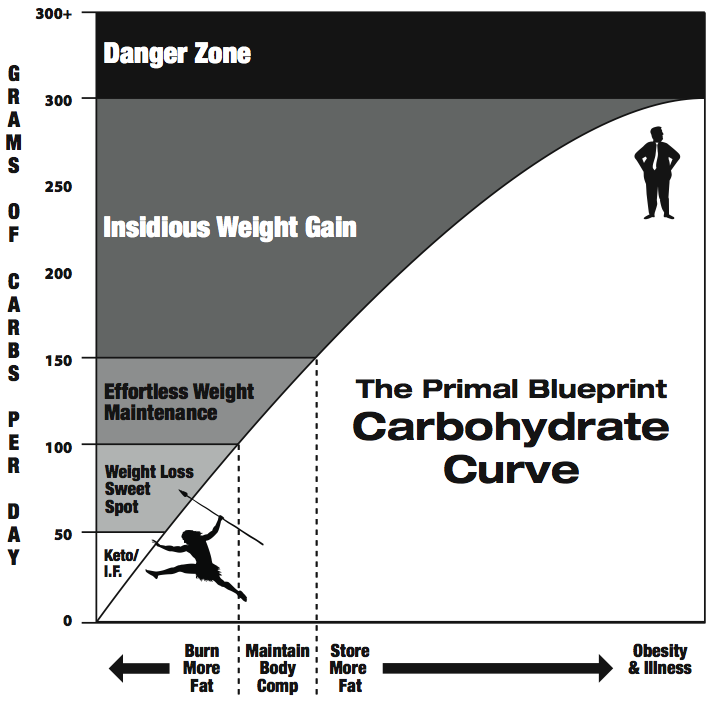
Pretty much says it all. Notice that there’s no mention of calories nor dietary fat, because the fact is, those have very little impact on weight and body composition.
From Mark’s Primal Blueprint diagrams page.
Cure for Vegetarianism
Quoting The Paleo Solution podcast:
Greetings. I think it was last week or maybe the week before when I posted a question here asking about resources for a conflicted ethical vegetarian thinking about going Paleo. That’s me. Well, after reading the first few chapters of Robb’s book and the first couple of chapters of The Vegetarian Myth, I did it. I ate animal flesh after 17 years of not touching it.
In my previous email post, I mentioned having Crohn’s disease and Ankylosing Spondylitis, and how my doctors have been amazed that I’m not in worse shape than I am. However, I’ve lived with constant pain for most of my life, helped only by my high level of athleticism. I’m writing here today not to ask a question but to thank you, Robb, for convincing me via your podcast to attempt carnivorous consumption.
The last two days in a row have started out like any other, with the pain in my gut increasing as the day has gone on. Yesterday I ate chicken for the first time in 17 years; the pain in my gut was gone in less than an hour. Today I ate a sirloin steak (if I’m going to do this, I might as well go all out); the pain went away as I was eating it. Based on what I’ve heard on your podcast, I expected some improvement on my Crohn’s symptoms, but surely not instantaneous relief!
Admittedly, I still have some reservations about the ethical stuff, but both chunks of meat were free-range. I have a lot to learn about eating ethically and carnivorously so I can live guilt-free. If anyone asks me what made me change, I shall blame Robb Wolf for turning me into a meat eater and changing my life for the better. I really can’t thank you enough.
(From episode 61 at the 42-minute mark.)
What the Government is Really Feeding Us
By now you’ve probably seen the "improved" version of the government food pyramid, which is the food plate:
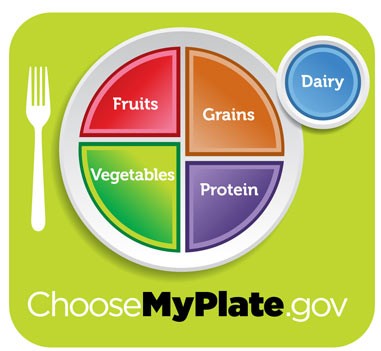
Of course, it’s the same old scientifically-discredited message: load up on fruit (sugar) and grains (more sugar) and avoid fat. And what do you get when you follow the government’s advice? All of this can be yours:
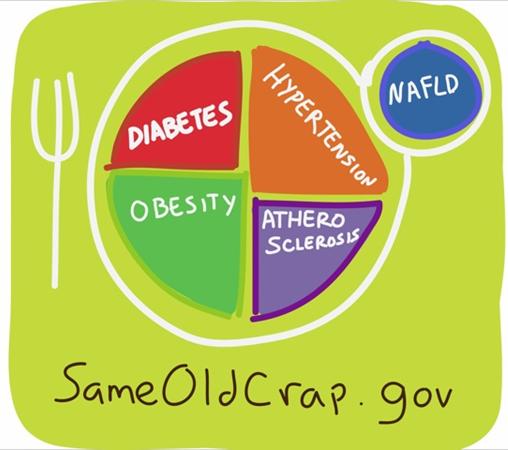
The solution is painfully obvious to anyone with half a brain: just eat real food. Eat the foods that people have ALWAYS eaten, for the vast majority of human history, instead of the grains, vegetable oils, and other processed foods that modern man has invented. In other words:
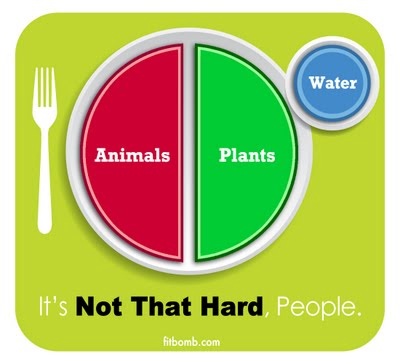
(Images via @robbwolf’s Twitter feed.)
Science For Smart People
Tom Naughton recently gave a great presentation called Science For Smart People, and it’s well worth your time. In it, he explains why there seems to be so much contradictory "scientific" evidence nowadays, especially regarding diet and health. Tom also tells how to separate the wheat from the chaff to determine whether an alleged conclusion is actually supported by the evidence in a given study.
In one example, there was a clinical study involving three groups of people: one group on a low-carb, high-fat diet; a second group on a low-fat, moderate-carb diet; and a third group on an unmodified diet. The actual results were that the low-carb group lost more body fat and showed the greatest improvements in all cardiovascular markers, including total cholesterol, triglycerides, HDL and LDL. But what did the researchers write in their conclusion? "Moderate approaches to weight loss such as a moderate-carbohydrate low-fat diet may be prudent." Tom’s take on that:
Quoting Tom Naughton:
By "prudent" I guess they meant "we would like to continue receiving research grants from Kellogg’s, who funded this study."
This shows two big problems with much of the supposedly-scientific information reported on a daily basis: first, that research is often tainted by the simple fact that it’s funded by corporations; and second, that many people, including scientists, find it very difficult to accept the fact that eating fat is not bad for you, because they’ve been brainwashed by decades of government propaganda to the contrary.
Italian Salad Dressing From Scratch
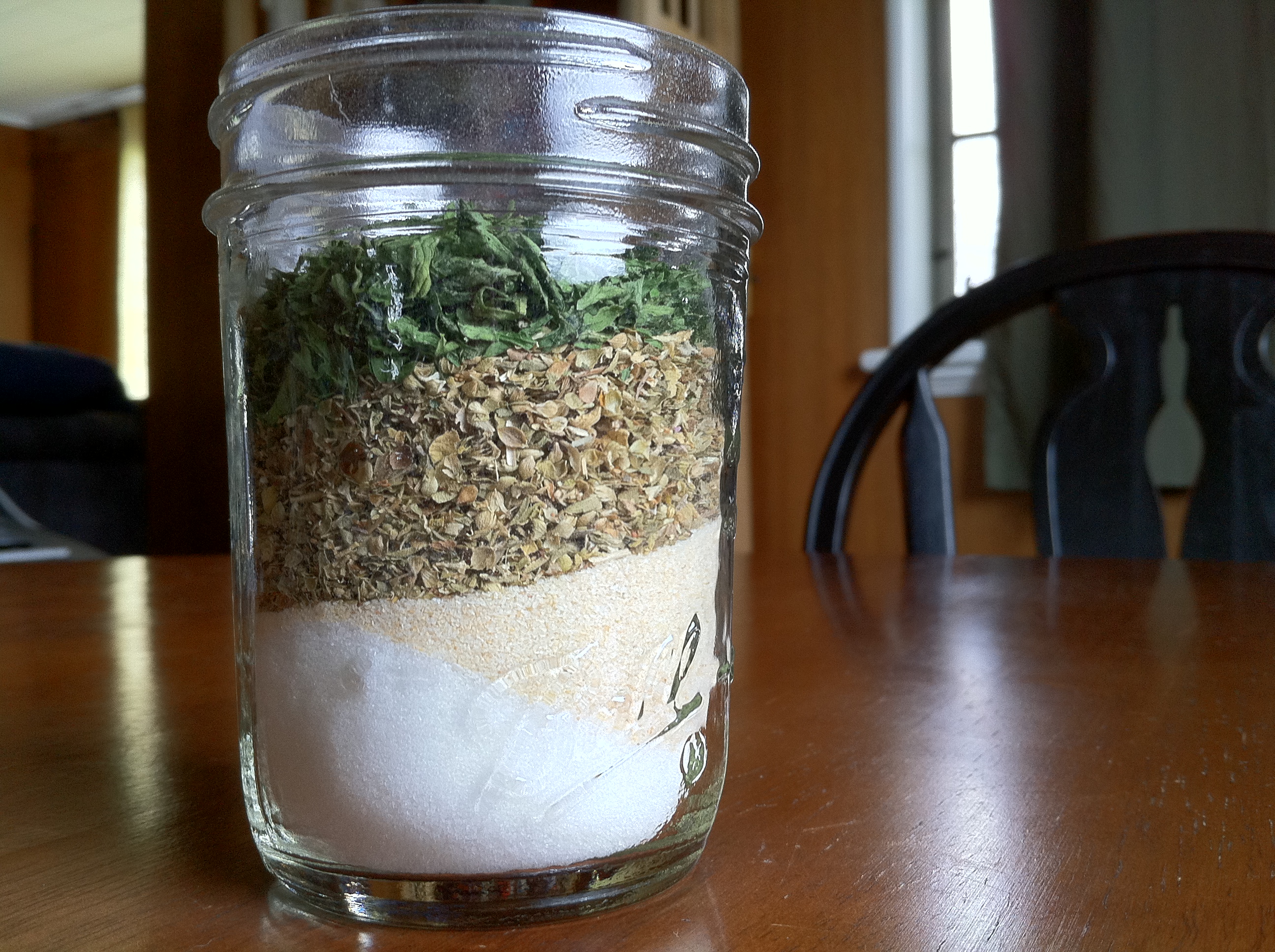
I’m trying to find a good Italian salad dressing recipe, since buying a bottle of dressing that’s made with olive oil instead of industrial seed oil (soybean oil, canola oil, etc) is virtually impossible. This recipe was pretty good except that it was way too salty, even though I did cut the salt quantity in half. And honestly, a dozen ingredients seems a little crazy for just dressing. But it did make a neat pattern as I added ingredients to the jar.
What Really Causes Heart Disease
Quoting Chris Kresser:
Let’s just make this crystal clear: 9 out of 10 cases of heart disease are completely preventable without drugs. With sales of statin drugs reaching close to $30 billion this year with Lipitor alone bringing in close to $14 billion, this might come as some surprise. But the pharmaceutical companies are, quite literally, invested in people taking their cholesterol-lowering drugs in spite of the complete lack of evidence that lowering cholesterol prevents heart disease.
In order to understand the changes we need to make to prevent heart disease, we have to briefly examine what causes it. By now you know that the answer is not "cholesterol". In fact, as I mentioned briefly in last week’s article, the two primary contributing mechanisms to heart disease are inflammation and oxidative damage. [...]
Over the past century we’ve seen a consistent decline in the consumption of traditional, nutrient-dense foods in favor of highly processed, nutrient-depleted products. The flawed hypothesis that cholesterol causes heart disease has wrongly identified health-promoting foods like meat, organ meats, eggs and dairy products as harmful, and replaced them with toxic, processed alternatives... The average American gets 57% of his/her calories from highly refined cereal grains and polyunsaturated (PUFA) oils. The #3 source of calories, behind grains and PUFA, is sugar and high-fructose corn syrup. Refined grains, polyunsaturated oils and sugar are all major contributors to both inflammation and oxidative damage.
Not only do refined carbohydrates, vegetable oils and sugar contribute to inflammation and oxidative damage, they are also completely devoid of micronutrients that would protect us from these processes. Meats, fruits and vegetables are all high in antioxidants that prevent oxidative damage, and rich in other micronutrients that play important roles in preventing heart disease.
If you only follow one health-related website, make it The Healthy Skeptic.
The Case Against Gluten For Everyone
A CNN article from yesterday points out the prevalence of gluten sensitivity even among non-celiacs:
Quoting Carina Storrs:
Cooper tested negative for celiac disease, but the doctor advised her to try a gluten-free diet anyway.
"Within a week of eliminating [gluten], I started to feel markedly better," says Cooper, now 36, from Melbourne, Australia. [...]
"Gluten is fairly indigestable in all people," Leffler says. "There’s probably some kind of gluten intolerance in all of us."
Experts now think of gluten intolerance as a spectrum of conditions, with celiac disease on one end and, on the other, what’s been called a "no man’s land" of gluten-related gastrointestinal problems that may or may not overlap.
Leffler estimates, for instance, that half of the approximately 60 million people in the U.S. who suffer from irritable bowel syndrome (IBS) are probably sensitive to gluten.
The following evolvify article from 2010 presents an overview and a list of medical journal articles on the topic:
Quoting Andrew Badenoch:
In the general population (those not having celiac disease or wheat allergies), gluten either causes, or is strongly correlated to a range of autoimmune and neurological disorders. Further, gluten intolerance can present with any one, or group, of symptoms or disorders with varying degrees of severity. Lastly, it is generally agreed that celiac disease and non-celiac gluten intolerance are underreported and under-diagnosed, though the numbers remain speculative.
For me, on a practical level, the correlations between autoimmune and neurological problems in the scientific literature, my personal experiences with gluten, anecdotal reports from others, and the logical framework of evolutionary biology/paleo diet is convincing enough for me to abstain from gluten.
As for me, I’ve already cut about 95% of the grains out of my diet, simply because I don’t want to eat all that sugar. I’m not 100% wheat/gluten-free, but I do try to avoid it, especially in packaged products where there’s just no need for it in the first place. At this point my primary wheat exposure is from croutons on salad once or twice per week, and from pizza once or twice per month.
Why The USDA Dietary Guidelines Are So Screwed Up
Nice piece by Tom Naughton (the creator of the Fat Head DVD) on one of the many failures of big government:
Quoting Tom Naughton:
When government steps in, spontaneous order and the wisdom of crowds is replaced with centralized control. Imagine what would happen if we were all required by law to shop at Uncle Sam’s Grocery Emporium. Since space is limited even in the largest stores, there would be endless battles over what Uncle Sam’s should put on the shelves. The vegans would demand more plants-only foods. The Weston A. Price fans would demand more grass-fed meats and dairy. The organic crowd would want organic produce, while the cost-conscious shoppers would protest that organic foods are too expensive. Lobbyists would make a killing trying to influence Uncle Sam’s management.
That’s essentially what’s happening with the USDA Dietary Guidelines now. The Weston A. Price Foundation is angry because the USDA warns us to avoid saturated fats. The vegan wackos at The Physicians Committee For Responsible Medicine are suing the USDA for warning us about saturated without also (I’m not kidding here) telling us specifically to stop eating meat, eggs and dairy products.
Nobody’s happy, and nobody’s going to win. The battle will go on forever, when it shouldn’t have been fought at all. But now we have to fight, because the USDA has taken it upon itself to tell my daughters’ school it can only serve 1% or skim milk. We were even instructed to include a grain food in the lunch my younger daughter brought from home on the day the government inspectors were visiting her preschool.
Pretty please, stop and think about that for a second: a little group of experts in Washington, D.C. is telling a preschool in Franklin, Tennessee what foods the parents must put in their children’s lunches if the school wants to stay out of trouble. If that doesn’t blow your mind (and scare you just a little), something’s wrong.
How Do You Know When Yogurt Has Gone Bad?

Clearly this is freaking nasty looking, but how do I know if it’s actually bad? It doesn’t seem to have a bad smell.
Home – Create Post – Archives – Login – CMS by Encodable